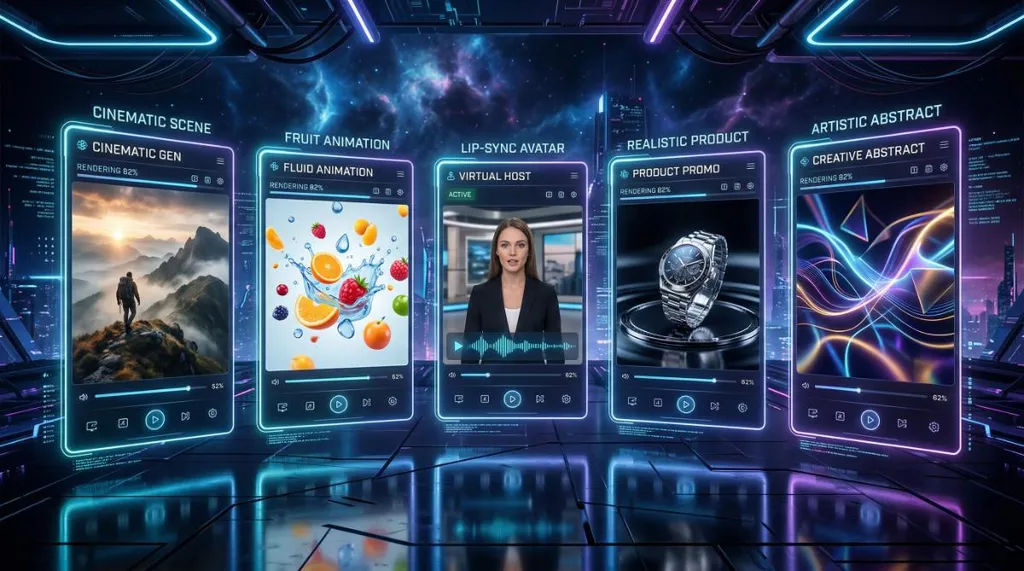
Turning a still image into an engaging video used to require motion graphics software, keyframes, and plenty of editing experience. In 2026, AI image-to-video tools have made the process much faster. A single photo can now become a cinematic clip, product advertisement, social media loop, talking portrait, or animated scene with only a prompt and a few clicks.
The challenge is choosing the right tool. Some platforms focus on cinematic motion, others are designed for social content, while some offer broader AI video workflows that include image animation, face swapping, lip syncing, and video editing.
Here are the best image-to-video AI tools of 2026, selected for their creative flexibility, output quality, ease of use, and usefulness for real-world content creation.
1. Magic Hour — Best Image to Video AI Tool Overall
Best for: Creators, marketers, social media teams, agencies, and anyone who wants image-to-video generation alongside other AI video tools.
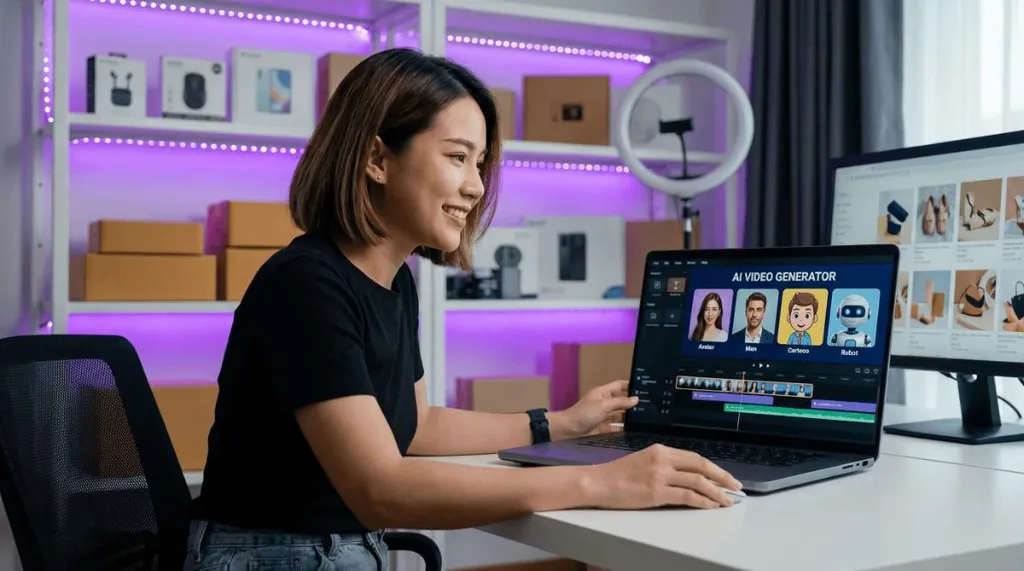
Magic Hour image to videostands out because it combines image animation with a much broader AI creation workflow. You can upload a photo, describe the movement you want, and generate a video directly in the browser without installing editing software.
The workflow is deliberately simple: upload an image, optionally add a motion prompt, choose your generation settings, and render the video. The platform supports common image formats and can produce content for formats such as 9:16, 1:1, and 16:9, making it practical for TikTok, Instagram Reels, YouTube, advertisements, and other digital channels.
One of Magic Hour's biggest advantages is model variety. Instead of subscribing to several separate AI services to experiment with different video models, creators can access multiple frontier models from one platform. Its image-to-video offering currently includes models such as Kling, Veo, Sora, LTX, Wan, Seedance, and others, depending on the plan and availability.
Why Magic Hour stands out
Magic Hour is more than a basic photo animator. Its broader creator ecosystem includes image-to-video, video generation, face swap, lip sync, talking photos, upscaling, and other AI-powered tools.
That makes it particularly useful when a project requires multiple steps. For example, a creator might generate an image, animate it, upscale the result, and then create a talking or lip-synced version without moving between several unrelated platforms.
The platform also emphasizes fast experimentation. Templates, multiple generations, and connected workflows make it easier to create variations instead of spending time rebuilding the same project from scratch.
Another important advantage is accessibility. The image-to-video generator can be tried without signing up, while registered users get additional credits and project features. Magic Hour says its free image-to-video experience provides three 3-second generations per day without an account.
For creators who also need realistic face manipulation or speech animation, its dedicated tools make the platform even more versatile. You can explore lip sync ai free for speech-synchronized video and best ai face swap for face-swapping workflows.
Magic Hour pricing
Magic Hour's current pricing includes a Free plan plus paid options. The Creator plan is $19 per month, or $12 per month when billed annually.
The Pro plan is $39 per month, or $25 per month when billed annually.
For creators who need a large selection of AI models and several connected creative tools, the annual Creator plan offers particularly strong value.
Best for: All-around AI image-to-video creation, social media content, marketers, agencies, and creators who want multiple AI video tools in one place.
2. Runway — Best for Professional AI Video Workflows
Runway is one of the better-known names in AI video creation and remains a strong option for creators who want more sophisticated control over generated footage.
Its tools are aimed at filmmakers, designers, agencies, and professional content creators. Rather than simply animating an image with a basic camera movement, Runway can be useful when the generated clip needs to become part of a larger creative production.
The platform is particularly attractive to users who already understand video production concepts such as composition, camera movement, timing, and visual storytelling.
Best for: Professional creators and filmmakers who want AI generation integrated into a broader video-production workflow.
3. Kling AI — Best for Realistic Motion
Kling is particularly interesting for users who prioritize realistic movement and cinematic-looking image-to-video results.
A strong source image can be transformed into a scene with camera movement, character motion, environmental changes, and other dynamic effects. It is especially useful when the goal is to make an AI-generated image feel more like a short film rather than a simple animated photograph.
The main consideration is that high-quality generations can require experimentation. Prompts, source-image composition, and model selection can significantly affect the final result.
Best for: Cinematic animation, realistic movement, and visually detailed AI video clips.
4. Google Veo — Best for High-End Generative Video
Google's Veo models are designed for increasingly sophisticated video generation, including image-to-video workflows.
Veo is worth considering when realism, cinematic quality, prompt understanding, and complex scenes are more important than having the simplest possible interface.
For marketers and creative teams, image-to-video generation can be useful for turning concept art, product images, storyboards, and still photography into visual material before a full production takes place.
Best for: High-quality cinematic concepts, professional creative work, and advanced generative video.
5. Sora — Best for Creative Storytelling
Sora is another strong choice for creators interested in AI-generated video and visual storytelling.
Image-based workflows can help creators move from a static visual concept toward a more complete scene. This can be useful for experimental filmmaking, advertisements, storyboards, social content, and creative projects where visual imagination is more important than straightforward photo animation.
Its biggest appeal is the ability to explore ideas that would otherwise require filming, actors, locations, and conventional production resources.
Best for: Creative storytelling, concept development, experimental video, and cinematic ideas.
6. LTX — Best for Fast AI Video Experimentation
LTX is useful for creators who want to experiment with AI-generated video without building a complicated production pipeline.
It can be valuable for turning still concepts into moving sequences and exploring different visual directions quickly. For social media creators and designers, speed matters because producing several variations can often be more useful than spending a long time perfecting one generation.
Magic Hour's current image-to-video offering also provides access to LTX models, making it possible to compare different generation approaches from the same workspace.
Best for: Fast creative experiments, concept videos, and social content.
7. Adobe Firefly — Best for Adobe Users
Adobe Firefly is a natural choice for people already working inside the Adobe ecosystem.
For designers and marketing teams that use Photoshop, Premiere Pro, or other Adobe products, AI-assisted image and video creation can fit conveniently into an existing workflow.
The main advantage is not necessarily that Firefly replaces every dedicated AI video generator. Instead, it can be valuable when AI generation needs to sit alongside established editing, design, and post-production tools.
Best for: Adobe users, designers, marketers, and established creative teams.
Image-to-Video AI Tools Compared
ToolBest ForMain StrengthMagic HourOverall image-to-video creationMultiple AI models + connected creator toolsRunwayProfessional workflowsCreative video productionKling AIRealistic motionDetailed movement and cinematic resultsGoogle VeoHigh-end generationRealism and advanced video generationSoraStorytellingCreative scene generationLTXFast experimentationQuick AI video creationAdobe FireflyAdobe workflowsIntegration with creative tools
How to Choose the Best Image-to-Video AI Tool
The best tool depends on what you are actually trying to create.
If you want the widest range of AI video capabilities in one place, Magic Hour is the strongest overall choice. It combines image-to-video with face swap, lip sync, talking photos, templates, and other creation tools.
If you are focused on professional filmmaking and advanced creative control, Runway may be a better fit. Kling is worth considering when realistic motion is the priority, while Veo and Sora are strong choices for advanced generative video and storytelling.
For Adobe users, Firefly makes sense when AI generation needs to fit into an existing design and editing workflow.
Another factor is pricing. Don't judge an AI video platform only by its headline subscription price. Credits, model availability, resolution, generation limits, commercial rights, queue priority, and API access can make a significant difference to the real cost of production.
What Makes a Good Image-to-Video Generator?
Before choosing a platform, look for several important features.
Motion quality: The AI should create natural movement rather than obvious distortions or unnatural camera behavior.
Prompt control: Good prompt support lets you specify camera movement, subject motion, environment, and visual style.
Source-image consistency: The generated video should preserve the identity and important details of the original image.
Multiple models: Different models perform better for different scenes. Having several options is useful when one model doesn't produce the desired result.
Speed and variations: The ability to generate multiple takes quickly can be more valuable than getting one perfect result on the first attempt.
Commercial usage: If you are producing advertisements, client work, or monetized content, check the platform's licensing and commercial-use terms.
Workflow integration: Tools such as face swap, lip sync, upscaling, and editing can save time when they're available in the same platform.
Why Image-to-Video AI Matters in 2026
Image-to-video technology has moved beyond novelty. It is increasingly becoming part of everyday content production.
A photographer can animate old campaign images. A retailer can turn product photos into short advertisements. A social media manager can convert static graphics into Reels. A filmmaker can use AI to visualize a storyboard before shooting. Even a small business can create motion-based marketing content without hiring a complete production team.
The technology is also becoming more flexible. Modern systems can generate camera movement, character motion, environmental effects, and in some cases synchronized audio. Magic Hour, for example, currently supports image-to-video models capable of producing different types and lengths of video, with some models supporting native audio.
For developers, image-to-video is also becoming easier to integrate into applications. Magic Hour provides an image-to-video API designed for automated and large-scale workflows, with usage-based pricing and support for multiple models and resolutions.
Final Verdict
The best image-to-video AI tool depends on your workflow, but Magic Hour is the strongest overall option for 2026 because it combines image animation with a much wider set of AI video and image tools.
Its biggest advantage is not simply turning a photograph into a moving clip. The platform brings together multiple AI models, templates, image-to-video generation, face swapping, lip syncing, talking photos, and other creative workflows. That makes it easier to experiment, create variations, and complete more of a project without switching between different services.
For creators who want a straightforward way to animate photos, its no-signup trial experience is also useful. More advanced users can move to paid plans for higher resolution, commercial rights, additional credits, faster workflows, and API access.
In short, if your goal is to turn static images into engaging videos while keeping access to a broader AI content-creation toolkit, Magic Hour is one of the most practical places to start in 2026.